

Contact Info
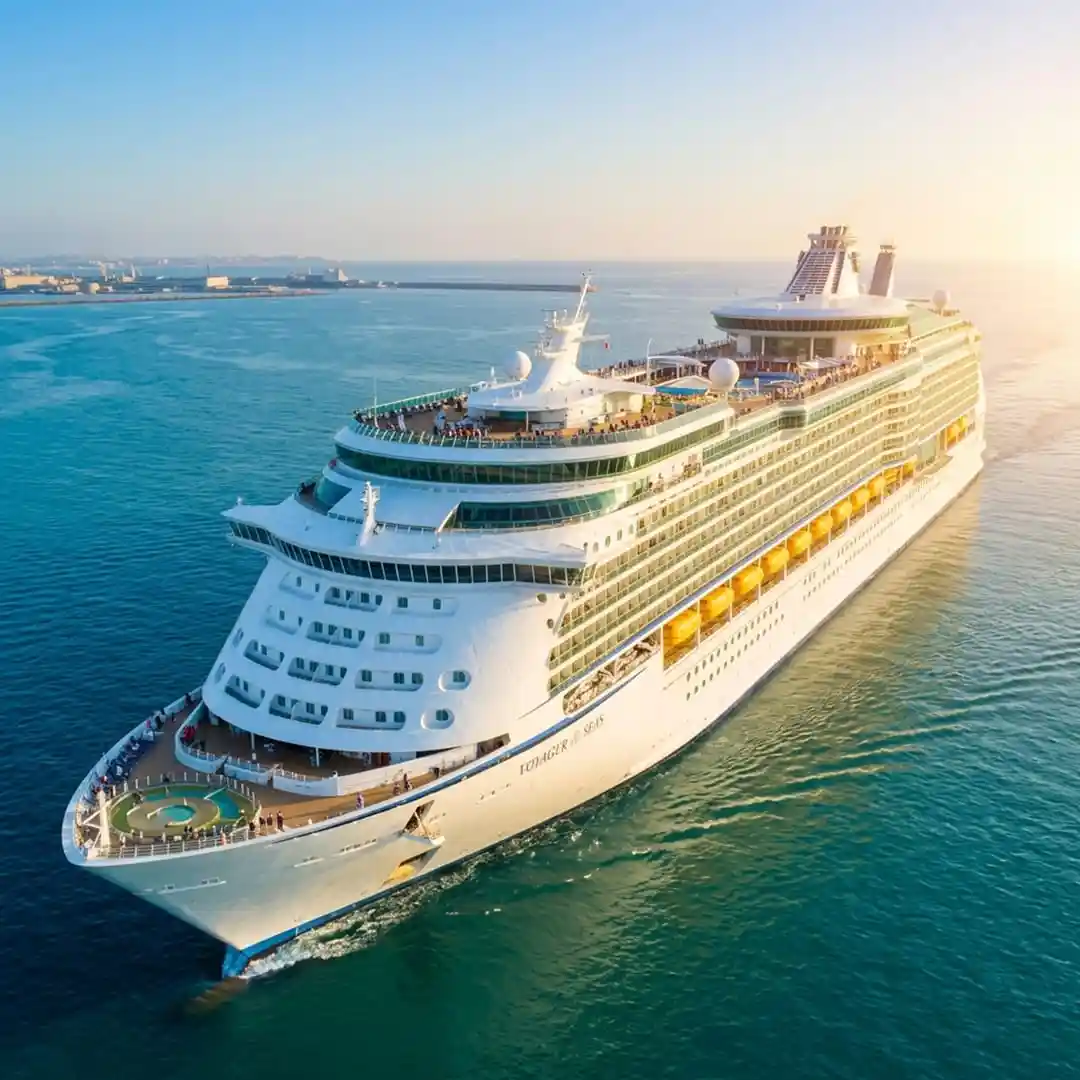
Choosing a ship and choosing an itinerary can feel equal. All the decisions including where you’ll go, how long you will travel, and what you’ll do when you arrive depend on it. However, there’s another aspect that gets little attention and can shape your entire vacation. It’s the size of the ship.
You may visit similar waters on a small vessel or a mega ship, but the experience onboard can be dramatically different. With vessel size, aspects like passenger numbers, dining choices, entertainment, walking distances, port access, queues, atmosphere, and even the rhythm of your day can change.
If you have the necessary knowledge regarding these differences, you can actually travel like you like to travel.
Size Changes the Atmosphere
The overall atmosphere of a ship is influenced by its size, even before you start comparing cabins and restaurants. Fewer passengers are accommodated by smaller vessels, creating a more contained environment.
You end up encountering the same passengers repeatedly at the lounge, dining spaces, corridors, and even outdoor areas. You will feel that ship seems familiar relatively quickly.
On the other hand, mega ships operate differently. There are far more passengers and larger public areas, making them resemble floating resorts. Different sections tend to develop their own atmosphere, which allows the passengers to spend much of their vacation exploring, without seeing every part of the vessel immediately.
However, niether format automatically creates a better experience. The more important question here is whether you prefer something compact and relatively intimate, or you want to settle for something expansive and constantly changing.
Walking Distances Can Surprise You
How much walking happens onboard is one area that passengers often underestimate. This is a massive difference. In the case of a smaller ship, you may need relatively little time in traveling from your cabin to the restaurant, lounge, or outdoor deck. Besides, finding your way around is also easier after the first day, as there are lower number of decks and public spaces to remember.
However, substantially longer journeys are involved in mega ships. You may be staying in a cabin which is several decks or a considerable horizontal distance away from the venue that you want to visit. The return trip to your cabin, in case, you accidentally forget something before going out for dinner can be unexpectedly long.
If you’re someone who loves exploring, this can become a simple part of your overall journey and experience. However, if you prefer shorter distances, ship size must be considered appropriately, when you’re selecting your vessel and your cabin location as well.
Dining Becomes a Different Experience
A major part of cruising is food. Vessel size can have significant impacts on how dining works. With smaller ships having limited physical space, the number of separate restaurants and dining concepts also tend to be lower. The emphasis may be on a more manageable selection of venues, instead of enormous variety.
In mega ships, there is room for multiple restaurants, casual dining areas, cafes, snack counters, and other food venues as well. If a passenger enjoys changing their dining environment, they will have more possibilities, which is highly appreciable.
However, with greater choice, another important consideration that pops up is planning. Certain venues may become particularly busy during popular dining periods. Where you actually eat is significantly impacted by reservations, opening hours, seating availability, and walking distance as well.
If you’re having twenty possibilities, it doesn’t mean that you’ll be using all of them when your aboard.
Entertainment Scales With the Vessel
After dinner, ship size becomes particularly more noticeable. Numerous entertainment areas are available in large vessels that support enough passenger demand and have physical space as well. In the evening, you may be able to enjoy performances, live music, games, lounges, activity spaces, or other scheduled events happening simultaneously.
Thus, different passengers can build completely different evenings on the ship with this. Smaller vessels generally tend to work with fewer venues. The entertainment part is far more centralized, and the passengers generally gather around a smaller collection of activities.
An enormous schedule of possibilities is generally enjoyed by some passengers. Others are generally satisfied with fewer choices and spend less time deciding what to do next. The difference therefore, is more about how you want entertainment to fit your vacation. It’s not just about how much entertainment actually exists.
Passenger Numbers Affect Daily Rhythm
How people move through a ship inevitably changes with more passengers onboard. Thousands of people may want breakfast, elevators, entertainment, pool access, and shore transportation at the same time in a mega ship. With proper ship designs, this crowd is distributed across multiple spaces. However, peak periods can still feel noticeably busy.
In smaller ships, fewer passengers are onboard. Thus, the scale of these traffic surges reduces significantly. However, it doesn’t indicate that smaller vessels never experience queues or crowded areas. Congestion can still occur, if hundreds of passengers want the same facility simultaneously.
Thus, the difference lies in scale. While mega ships often rely on multiple venues and circulation routes, smaller ships have fewer passengers. Thus mega ships spread passengers around appropriately, and smaller ships have lower passenger count.
Port Days Can Feel Different
What happens when you reach your destination is also impacted by the size of the vessel you pick. Very large ships are directly accommodated in some ports. However, there are others that have issues like water depth, berth dimensions, harbor infrastructure, and local regulations that can impact the experience.
In some cases, smaller ships can get access to harbors and docking arrangements that larger ships cannot use. Passengers may be needed to travel between the vessels, when direct docking is not available. They reach the shore using smaller transfer boats. This impacts how quickly you reach land and how you organize your time ashore.
If you’re a traveler primarily interested in the destination, you must examine the actual itinerary rather than exclusively focusing on the onboard facilities that are available. The ship is not just your accommodation, it’s physical dimensions can influence how your journey unfolds.
Cabin Location Matters Differently
When vessel size changes, cabin selection becomes particularly interesting. The distance between your cabin and major public areas may remain fairly manageable in a smaller ship, regardless of where you’re staying.
On the other hand, in a mega ship, location impacts convenience significantly. Your cabin may be at the front and may be far from a restaurant that you like at the rear. Also, if you’re staying at a distance from your favorite activities, you may need to take frequent elevator trips of climb stairs frequently as well.
This makes the deck plan especially useful. Identify where you plan to spend much of your time, before you choose a cabin. Then examine elevators, stairs, dining venues, outdoor areas, and entertainment spaces. A few minutes studying the layout can prevent many long corridor expeditions later.
Smaller Ships Can Feel Easier to Understand
Large vessels can take time to learn. During the first day, passengers may repeatedly consult deck maps or digital navigation tools while figuring out which elevator reaches which area.
Smaller vessels usually have fewer spaces to memorize. This can make the vacation feel simpler. You may quickly learn where breakfast is served, which staircase results in your cabin, and where you prefer sitting outdoors.
There is also less pressure to experience everything. A mega ship filled with activities can create the strange feeling that you are missing something whenever you relax. A smaller vessel may naturally encourage a slower pace simply because fewer competing activities demand attention.
Your Travel Style Should Make the Decision
The small ship versus mega ship question does not have one universal answer. Think about what you actually enjoy doing on vacation. If you want numerous dining choices, varied entertainment, extensive facilities, and plenty to explore onboard, a larger vessel may align with your priorities.
If you prefer shorter walking distances, fewer passengers, simpler navigation, and a more contained environment, a smaller vessel may suit your travel habits differently. It is also worth considering the itinerary. A feature-packed ship can be appealing during multiple days at sea, while a destination-heavy journey may make onboard facilities less important.
Choose the Experience, Not Just the Ship
Ship size is not simply a procedural specification buried beside passenger capacity and vessel length. It quietly influences nearly every part of the cruise. It affects how far you walk, how many restaurants you can choose from, how crowded certain areas feel, how entertainment works, how easily you learn the layout, and how you interact with other passengers.
So when comparing cruises, look beyond cabin photographs and destination lists. Ask yourself what you want an ordinary day onboard to feel like. The vessel is not merely carrying you on vacation. For much of the journey, the vessel is the vacation.